
Before You Hit the Highway: How to Get Your Car Road Trip Ready This Summer
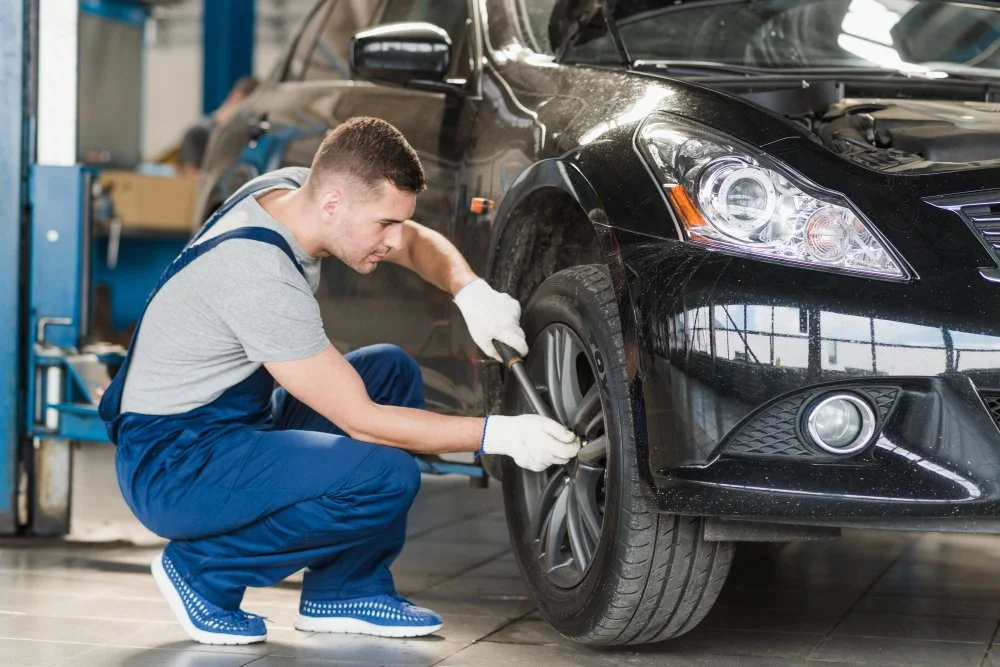
Summer in British Columbia means road trips. Whether you are heading to the Okanagan for a long weekend, driving up the Sea-to-Sky to Whistler, or making the trek out to Tofino, your vehicle is about to be asked to do a lot more than commute. Highway speeds, mountain passes, loaded cargo, and hours of continuous driving put a different kind of stress on your car than daily city driving does.
The difference between a smooth trip and a stressful one often comes down to what you do before you leave. Here is how to make sure your vehicle is ready for whatever the road throws at it.
Start With the Cooling System
Overheating is one of the top causes of roadside breakdowns in the summer, and it is almost always preventable. Your engine’s cooling system works significantly harder during long highway drives and steep climbs, especially when you are hauling extra passengers and luggage. Check your coolant level and make sure it is topped up to the recommended mark. Inspect the radiator hoses for cracks, bulges, or soft spots. If your coolant has not been flushed in the last two to three years, a flush before a major trip is a smart move.
The B.C. government’s own summer driving guidelines recommend making certain your radiator is not clogged and that all hoses and belts are in good working order before heading out on longer drives.
Test Your Air Conditioning Now, Not Later
Nothing ruins a road trip faster than a broken AC on a 35-degree day in the Okanagan. If your system is blowing warm air, producing weak airflow, or making unusual noises, get it inspected before your trip, not during it. Low refrigerant is the most common culprit and is a straightforward fix. A clogged cabin air filter can also restrict airflow and force the system to work harder than it needs to. Replacing it takes minutes and improves both cooling performance and the air quality inside your car.
Check Your Tires for the Long Haul
City driving and highway driving wear on tires differently. Before a long trip, verify your tire pressure when the tires are cold and adjust to the manufacturer’s recommended PSI, found on the sticker inside your driver’s door jamb. Hot pavement and sustained highway speeds increase tire temperatures, and underinflated tires are far more prone to blowouts in the heat. Check your tread depth as well, and do not forget the spare. Many drivers never check their spare tire until they actually need it, only to find it flat or missing entirely.
Brakes That Can Handle the Mountains
If your summer plans involve mountain driving, your brakes need to be in top shape. Descending long grades like the Coquihalla or the road into Peachland puts sustained pressure on your braking system. Worn pads, thin rotors, or old brake fluid can lead to brake fade, where your stopping power weakens the more you use it. A pre-trip brake inspection gives you the confidence to handle steep descents without worry.
Top Up Every Fluid
Long drives consume more of everything. Engine oil, coolant, brake fluid, transmission fluid, and windshield washer fluid should all be checked and topped up before departure. Summer brings dust, bugs, and construction zones, so keeping your washer reservoir full is more important than you might think.
Pack a Roadside Emergency Kit
Even a well-maintained car can run into trouble on a remote stretch of highway. A basic summer emergency kit should include a flashlight, jumper cables or a portable jump starter, a first aid kit, extra water (for both you and the radiator), a phone charger, and a reflective triangle or flares. Downloading offline maps before you leave is also a smart move for areas with limited cell service.
Book a Pre-Trip Inspection
The simplest way to cover all of these bases is to book a pre-trip inspection with a mechanic you trust. A trained set of eyes can catch things you might miss, from a slow coolant leak to a belt that is about to go. It takes less than an hour and gives you peace of mind for the entire trip.
At Daniel’s Auto Service, we see a surge of pre-trip visits every May and June. If a road trip is on your calendar this year, give us a call before you pack the cooler.
Frequently Asked Questions: The Daniel’s Auto Service Approach
-
At a minimum, check your tire pressure and tread depth, all fluid levels (oil, coolant, brake fluid, transmission fluid, washer fluid), your brakes, your battery, your cooling system hoses and belts, your wiper blades, and all exterior lights. A professional pre-trip inspection is the most thorough way to cover everything.
-
Make sure your coolant is topped up and your radiator is not clogged. Inspect hoses for cracks or soft spots. If you are driving through mountainous terrain, keep an eye on your temperature gauge, especially on long uphill stretches. Carrying an extra bottle of coolant is a good backup.
-
Check your tire pressure at least once a month, and always before a long trip. Hot pavement increases tire temperatures, which raises internal pressure. Always measure when the tires are cold for the most accurate reading.
-
If your AC is blowing warm or weak air, or if you notice strange smells when it runs, have it inspected. Low refrigerant, a dirty cabin air filter, or a failing compressor can all reduce cooling performance. It is better to catch these issues before a hot day on the highway.
-
A good summer kit includes a flashlight, jumper cables or a portable jump starter, a first aid kit, extra water, a phone charger, a reflective triangle or flares, and basic tools. If you are driving through remote areas of BC, offline maps and extra coolant are also smart additions.