
Why is my Check Engine light on? 5 Common Causes for European Vehicle Owners
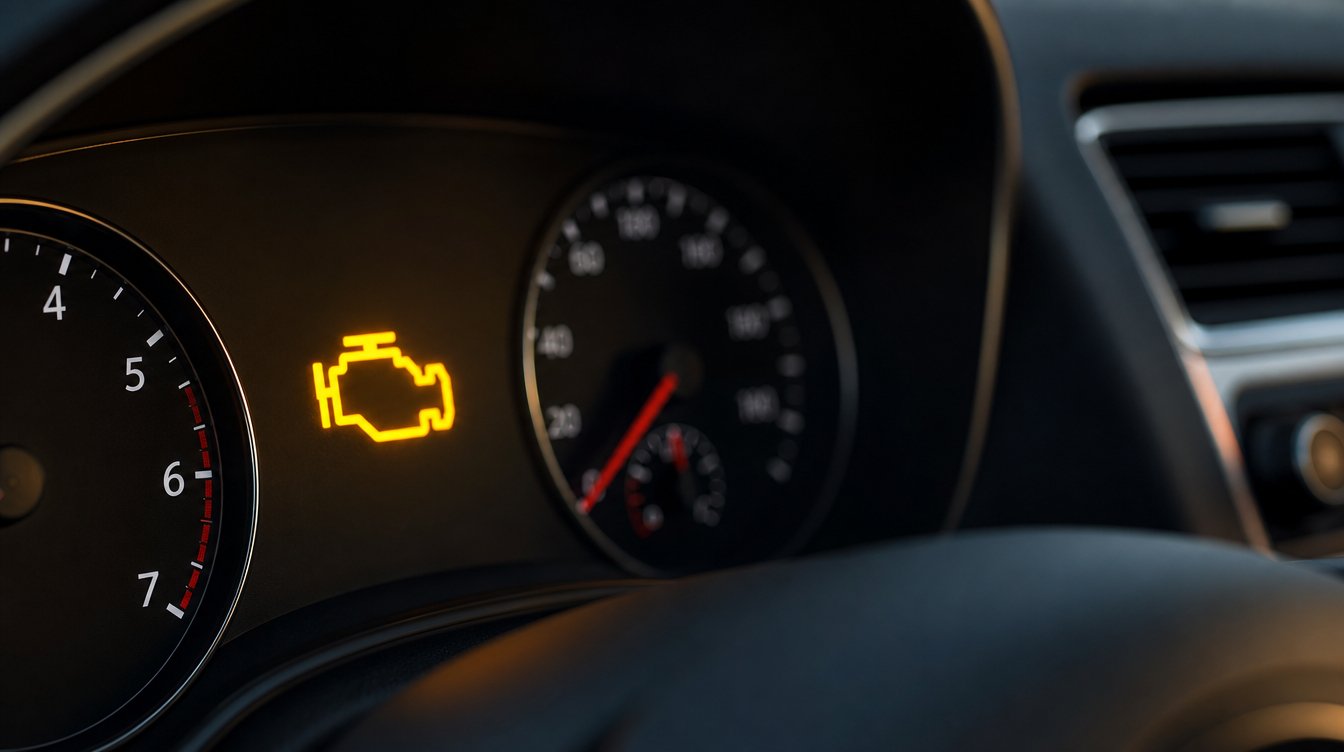
If the check engine light illuminates on your European vehicle, the five most common culprits are a loose gas cap, a faulty oxygen sensor, a failing mass airflow sensor, worn ignition coils, or early stages of catalytic converter degradation. Because modern European engines are highly complex, pulling a generic code is not enough; professional diagnostics are required to pinpoint the exact failure and prevent severe mechanical damage.
The Warning Sign on Your Commute
Driving a luxury European vehicle across the Lower Mainland offers an unmatched blend of performance and comfort. However, that smooth drive can quickly become stressful when a yellow engine symbol suddenly illuminates on your dashboard.
For owners of high-performance brands like BMW, Audi, Volkswagen, and Mercedes-Benz, the check engine light is notoriously sensitive. These vehicles utilize incredibly sophisticated engine management systems that monitor every drop of fuel and ounce of air. When even the slightest parameter falls out of factory specification, the system immediately flags a warning to protect the engine from further damage.
5 Common Causes for European Vehicle Owners
While a dashboard warning can seem intimidating, it is usually tied to one of the following five common components:
A Loose or Damaged Gas Cap: It sounds too simple to be true, but a loose fuel cap is one of the most frequent triggers for a check engine light. Your vehicle's Evaporative Emissions (EVAP) system is completely sealed. If the cap is loose or the rubber seal is cracked, fuel vapors escape, causing the system to register a leak.
Faulty Oxygen (O2) Sensor: European engines rely heavily on O2 sensors to measure the amount of unburnt oxygen in the exhaust. This data helps the engine computer constantly adjust the air-fuel mixture. Over time, these sensors become coated in carbon ash and fail, leading to sluggish performance and a drastic drop in fuel economy.
Failing Mass Airflow (MAF) Sensor: The MAF sensor measures the exact volume of air entering your engine. Due to the damp, variable climate in British Columbia, moisture and road debris can contaminate this sensitive component. When it fails, your car may experience rough idling, sudden stalling, or a noticeable hesitation when accelerating.
Worn Spark Plugs and Ignition Coils: European turbocharged engines put an immense amount of strain on their ignition systems. If your spark plugs are worn out or an ignition coil is failing, the engine will misfire. A misfire sends unburnt fuel directly into the exhaust, which will cause your check engine light to blink rapidly a sign that you need to pull over immediately.
Catalytic Converter Degradation: The catalytic converter is responsible for reducing toxic exhaust gases. If you ignore a faulty O2 sensor or a failing ignition coil for too long, the excess unburnt fuel will overheat and destroy the catalytic converter. This is one of the most expensive repairs on any European vehicle, highlighting why early diagnostics are so critical.
Why Basic Scanners Fail European Cars
When a warning light appears, many drivers head to a local auto parts store for a free scan. However, generic OBD-II scanners only read standard emissions codes. They cannot communicate with the proprietary control modules found in a BMW, Audi, or VW. A generic scanner might tell you there is a fuel mixture error, but it will not tell you if the root cause is a cracked vacuum line, a failing high-pressure fuel pump, or a software glitch.
The Solution: Expert European Diagnostics
Daniel's Auto Service utilizes factory-level diagnostic software designed specifically for European architecture. We do not guess or throw expensive parts at a problem based on a generic code.
Our technicians perform live data logging, electrical circuit testing, and comprehensive system scans to trace the exact root cause of your check engine light, ensuring your luxury vehicle is repaired accurately the first time.
Conclusion
A check engine light is not a suggestion; it is a critical warning from your vehicle’s computer system. For European car owners in the Lower Mainland, ignoring this light or relying on basic code readers can quickly turn a minor sensor replacement into a catastrophic engine failure.
Protect your investment and restore your peace of mind. If your dashboard is lit up, contact Daniel's Auto Service today to schedule an advanced European engine diagnostic inspection.
Frequently Asked Questions
-
A flashing check engine light indicates a severe, active engine misfire that is dumping raw fuel into the exhaust. You should pull over safely, turn off the engine, and have the vehicle towed to our shop immediately to prevent destroying your catalytic converter.
-
Yes. European vehicles are highly dependent on stable voltage. If your battery is weak or your alternator is failing, the sudden drop in electrical current can trigger a cascade of false sensor readings and illuminate the check engine light.
-
Diagnostic costs vary based on the complexity of the issue. A standard scan and electrical testing generally take about an hour of labor. This initial investment saves you thousands of dollars by preventing the installation of unnecessary parts.
-
Absolutely. A check engine light automatically indicates that the vehicle's emissions system is not functioning correctly, and it will immediately fail any mandated environmental or out-of-province inspection.
-
If the light is solid (not flashing) and the vehicle is driving normally without any strange noises, vibrations, or loss of power, it is generally safe to drive home or directly to our repair facility. However, you should not continue driving it for days or weeks without an inspection.