
The Audi Sunroof Drain Crisis: Don't Let Rain Fry Your Electronics
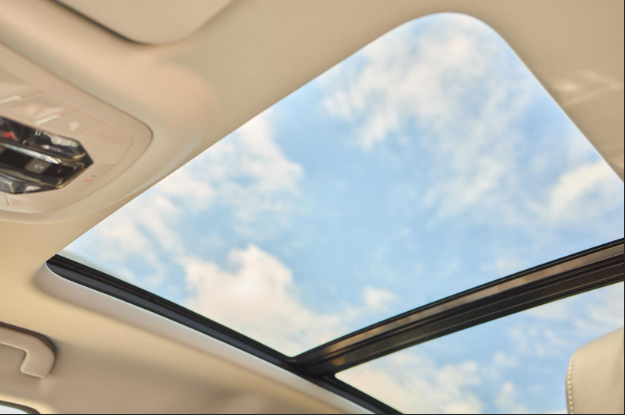
For Audi owners in the Pacific Northwest, there is a specific mechanical nightmare that keeps us up at night: the sunroof drain clog. It sounds like a minor maintenance item, but in reality, it is a catastrophic vulnerability that can lead to thousands of dollars in electrical damage.
In Metro Vancouver or Lower Mainland, where we measure rainfall in meters rather than inches, this is not just a theoretical problem. At Daniel’s Auto Service, we see this issue year-round, but it reaches an all-time high during our relentless winter months.
The Flaw in Design
Models like the Audi Q5 (B9), A4, and A5 feature beautiful, complex panoramic sunroofs that make the cabin feel open and airy. However, these systems rely on a series of thin drain tubes that run down the A-pillars (the front windshield posts) and C-pillars to dump rainwater safely onto the ground.
The problem? Vancouver is full of coniferous trees. Tiny fir needles, pollen, and general organic sludge wash into these trays and eventually into the tubes, creating a thick, stubborn blockage. Once that tube is blocked, the water has nowhere to go but inside your vehicle.
The problem
Gravity always wins. When drain tubes fail, water overflows the sunroof tray, runs down the inside of the pillar trim, and begins to pool underneath your carpet. Because Audi uses thick, high-quality insulation, you might not even see standing water at first. The dampness stays hidden, soaking into the foam.
Audi often mounts sensitive electronics, such as the Comfort Control Module or transmission control units, directly on the floor pan beneath the driver or passenger seat. These modules control everything from your power locks to your engine timing. When they are submerged in a pool of Vancouver rainwater, the results are devastating.
The 3 Stages of a Sunroof Leak
Stage 1: The Damp Scent. You notice a slight musty smell in the car, similar to a wet towel left in a bag.
Stage 2: Persistent Fogging. Your windows are foggy every morning and take forever to clear, even with the AC on. This is because there is literally a liter of water evaporating into your cabin air.
Stage 3: Electrical Gremlins. This is the point of no return. Windows might open on their own, the alarm might go off at 3 AM, or the car may refuse to start entirely because the modules are short-circuiting.
How We Fix It (The Right Way)
If you take your car to a generalist shop, they might try to blast the tubes with high-pressure air. We strongly advise against this. High pressure can actually blow the drain tube completely off its connector inside the body wall. If that happens, we have to disassemble the entire interior headliner just to reconnect it.
Protect Your Investment
If you park your Audi outside, under trees anywhere in Metro vancouver or Lower Mainland, you are at high risk. This is not a matter of if it will happen, but when. A simple preventative cleaning is a fraction of the cost of replacing a fried control module and performing a full interior mold remediation.
Do not wait for a wet carpet or a dashboard full of warning lights. Schedule a sunroof drain service with our European specialists today and keep the Pacific Northwest rain where it belongs: outside.
Frequently Asked Questions: The Daniel’s Auto Service Approach
-
The most common signs are a musty smell in the cabin, excessive interior window fogging, or damp carpets in the footwells. In advanced cases, you may notice water stains on the headliner or A-pillars, or experience random electrical issues like the alarm triggering or windows behaving erratically.
-
Our local environment is a perfect storm for sunroof issues. We have high rainfall combined with a massive amount of organic debris from evergreen trees. These small needles easily bypass the sunroof seals and enter the drainage channels, where they eventually form a thick sludge that blocks the tubes.
-
We strongly recommend against this. Using a stiff wire or coat hanger can easily puncture the soft rubber drain tubes or disconnect them from their internal fittings. If a tube is punctured inside the pillar, the leak becomes much harder and more expensive to repair.
-
If you park your vehicle outside or near trees, we recommend a professional clearing once a year, ideally before the heavy autumn rains begin. For vehicles kept in a garage, every two years is typically sufficient.
-
If you suspect water has reached the floorboards, it is critical to disconnect the battery and have the car professionally dried immediately. We use industrial dehumidifiers and specialized cleaning agents to prevent mold growth and corrosion on electronic pins.