
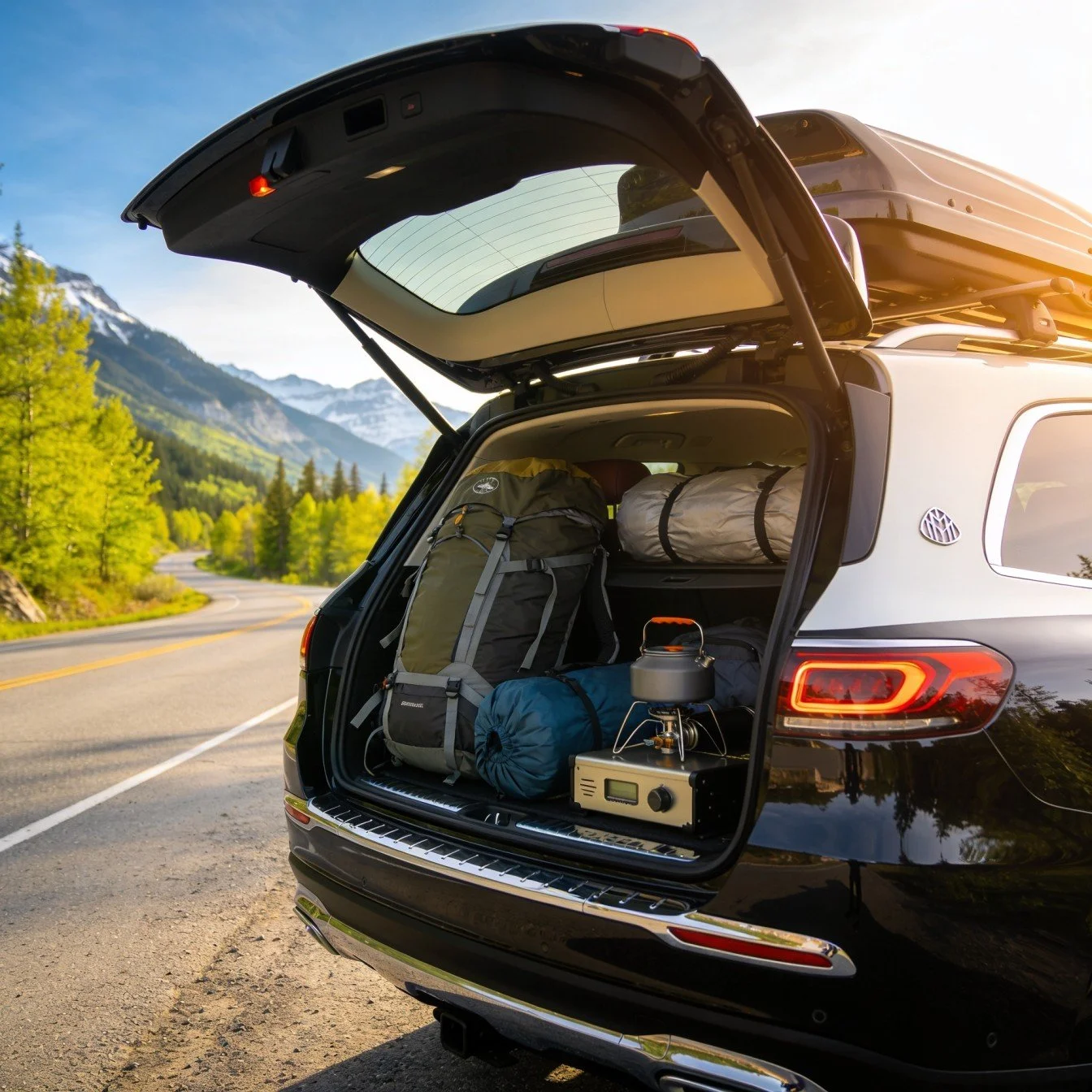
The shift from wet winter driving to spring road trips across BC routes like the Coquihalla Highway puts sudden, extreme thermal stress on your vehicle’s engine. Rising spring temperatures combined with steep mountain inclines often expose hidden cooling system weaknesses, such as failing water pumps or degraded coolant.
A comprehensive pre-trip diagnostic including pressure testing the cooling system and inspecting hoses is the most effective way to prevent catastrophic engine failure and ensure a safe, reliable journey into the interior.
The Real Impact of the Problem
Spring in British Columbia is a breath of fresh air after a long, damp winter, but for your vehicle, it is one of the most taxing times of the year. During the winter months in Burnaby, your engine operates in relatively cool, consistent temperatures. This environment often masks burgeoning issues; a slightly worn water pump or a small crack in a radiator hose might not cause a problem when the air is 5°C and the road is flat.
However, as soon as you point your car toward the interior tackling the long, grueling climbs of the Coquihalla or the winding turns of the Hope-Princeton Highway the scenario changes instantly. The combination of rising spring temperatures and the immense physical load required to pull a vehicle up thousands of feet of elevation causes your engine’s internal heat to skyrocket.
The emotional impact of a cooling system failure is significant. There is a specific kind of dread that comes with seeing the temperature needle climb into the red while you are halfway up a mountain pass with your family in the car and no cell service. Practically, an overheat isn't just an inconvenience; it can lead to warped cylinder heads and blown gaskets, turning a simple road trip into a repair bill totaling tens of thousands of rupees (or many lakhs, depending on the vehicle). In the high-stakes environment of BC mountain driving, preventative maintenance isn't just a suggestion, it's your safety net.
The Preventative Maintenance Advantage
At Daniel’s Auto Service, we specialize in stress-testing your vehicle before the road does it for you. Our spring road trip prep focuses on the cooling system, which is the heart of your car's ability to survive a mountain climb. We don't just top up your fluids; we perform a deep-dive analysis of how your vehicle handles heat.
By catching these issues in our Burnaby shop, we ensure that you are never the person on the side of the highway waiting for a tow truck.
Precision Pressure Testing: We use specialized equipment to pressurize your cooling system. This reveals micro-leaks in hoses and radiator seams that only appear when the engine is under extreme load.
Fluid Integrity Checks: Coolant loses its chemical ability to inhibit rust and manage heat over time. We test the pH and boiling point of your coolant to ensure it can actually handle a 30°C day on a 10% grade incline.
Component Longevity: Our technicians have extensive experience with the unique cooling requirements of European models (like BMW and Audi), which often use plastic components that become brittle over time. We identify these weak links before they snap.
Is Your Car Ready for the Coquihalla? (The Spring Checklist)
Before you pack the trunk and head out of the Lower Mainland, run through this 4-point reliability check:
The Driveway Drop: Check where you park your car. Are there small green, orange, or pink puddles? Coolant leaks are often slow at first, but mountain pressure will turn a drip into a flood.
The Belt Squeal: Listen when you start your car in the morning. A high-pitched chirp or squeal often indicates a worn serpentine belt. This belt drives your water pump if it snaps, your engine will overheat in minutes.
The Sweet Smell: Do you smell something like maple syrup after a drive? That is the smell of vaporized coolant. It means you have a leak somewhere that is hitting a hot engine part.
The Fan Test: While parked and idling, ensure your radiator fan actually kicks on. If the fan motor is dead, your car will overheat the moment you get stuck in traffic near the Massey Tunnel or a mountain construction zone.
Actionable Advice
To ensure your spring travel is as smooth as possible, follow these three strategic steps before leaving Burnaby:
Tip 1 (Strategic): Schedule a Cold-Start Inspection
Some cooling system issues are only visible when the car is completely cold, while others only appear when hot. Ask your technician to perform a comprehensive Cold-to-Hot cycle check to ensure your thermostat is opening and closing exactly when it should.Tip 2 (Practical): Verify Your Tire Load Rating
Road trips often mean a car full of luggage and passengers. This extra weight puts more strain on your engine and your tires. Ensure your tires are not only at the right pressure but have enough tread depth to handle a sudden spring rainstorm on a mountain descent.Tip 3 (Forward-Looking): Update Your Emergency Kit
Even with the best maintenance, BC mountains are unpredictable. Always carry extra premixed coolant, a jug of water, and a basic emergency kit. If you are managing a business fleet, ensure every driver has a clear protocol for what to do if the temperature light flashes.
Actionable Advice
Managing your brakes in a coastal climate requires a proactive strategy. Here are three practical ways to stay ahead of the weather:
Tip 1 (Strategic): Perform "Clearing Stops" On particularly damp or foggy Burnaby mornings, do not wait until you are merging onto a high-speed road to use your brakes. Perform a few gentle, controlled stops on a side street. This "cleans" the rotors and ensures you have maximum friction available when you actually need it in traffic.
Tip 2 (Practical): Monitor Your Brake Fluid Brake fluid is hygroscopic, meaning it naturally absorbs moisture from the air. In our humid Lower Mainland climate, this happens faster than in drier regions. Have your fluid tested annually; if the moisture content is too high, your brakes can fade or fail during the heat of a long descent down Burnaby Mountain.
Tip 3 (Forward-Looking): Rinse Your Wheels During the winter months, Burnaby crews use salt and brine to keep the hills safe. This salt accelerates the lot rot process significantly. A quick rinse of your wheels and braking area at a car wash can prevent caliper pins from seizing and keep your rotors from pitting prematurely.
Regular maintenance is the key to longevity. By addressing the small noises now, you ensure that the major components of your braking system last as long as possible. A well-maintained set of brakes doesn't just keep you safe; it also improves your vehicle's resale value and overall driving dynamics.
Conclusion
A spring road trip across British Columbia should be about the views, not the temperature gauge. Transitioning from winter city driving to mountain highway speeds is a massive shift for your vehicle's mechanical systems. By prioritizing a professional cooling system service and preventative maintenance now, you protect your engine from catastrophic damage and your family from a dangerous roadside breakdown. At Daniel’s Auto Service, we take pride in being the trusted partner for Burnaby drivers, providing the dealership-level expertise you need for total peace of mind on every provincial route.
Frequently Asked Questions: The Daniel’s Auto Service Approach
-
It is the process of draining your old, degraded coolant, cleaning the system of scale and rust, and refilling it with fresh, high-quality fluid that meets your manufacturer's specifications.
-
Climbing steep grades requires the engine to work harder, generating significantly more internal heat. At the same time, the thinner air at higher altitudes can make your radiator slightly less efficient at shedding that heat.
-
We often have mild winters that don't stress our cars. Spring is the first time many vehicles face high temperatures and long-distance travel, which is when hidden cooling problems finally fail.
-
European vehicles often use complex cooling loops with multiple thermostats and electronic pumps. We use factory-level diagnostic tools to ensure these systems are communicating correctly and performing at 100% efficiency.
-
We focus on transparency and long-term vehicle health. We show you exactly what we find whether it’s a cracked belt or a leaking water pump and explain the safety risk so you can make the best decision for your trip and your budget.